
With temperatures set to rise across the UK, it’s important to take extra care to protect babies and children from the sun and heat.
Children can become dehydrated and sunburnt much more quickly than adults, particularly during hot weather. Following a few simple sun safety measures can help keep your child cool, comfortable and protected throughout the summer months.
Top sun safety tips
Avoid direct sunlight
Babies should be kept out of direct sunlight, especially during the hottest parts of the day.
Stay hydrated
Make sure your child drinks plenty of fluids and stays cool throughout the day. Babies may need extra feeds during hot weather.
Never cover prams or car seats with blankets
Covering a pram or car seat with a blanket can trap heat and cause temperatures inside to rise quickly, increasing the risk of overheating.
Use sunscreen
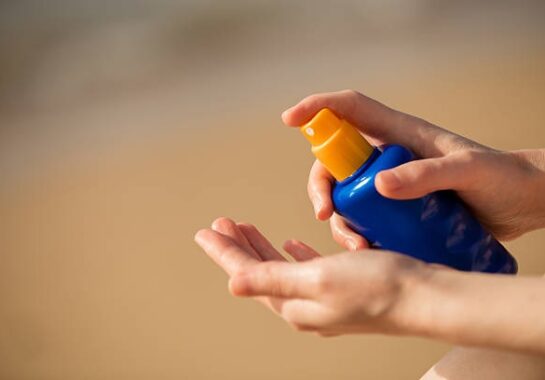
When your child is old enough, apply a broad-spectrum sunscreen with a sun protection factor (SPF) of at least 50. Always follow the manufacturer’s guidance on age suitability and reapplication.
Use a parasol or shade
A UV-protection parasol can provide additional shade when outdoors. Remember that children can still be exposed to harmful UV rays, even on cloudy days.
Wear a hat
A wide-brimmed hat or cap can help protect your child’s face, ears and neck from the sun.
What not to do if your child gets sunburnt
If your child develops sunburn, avoid the following:
- Do not apply petroleum jelly to sunburnt skin.
- Do not place ice or ice packs directly on sunburnt skin.
- Do not pop any blisters.
- Do not scratch or remove peeling skin.
- Do not wear tight-fitting clothing over affected areas.
When to seek help
Most cases of mild sunburn can be managed at home, but medical advice may be needed if your child becomes unwell.
You can seek advice from:
- NHS 111 for urgent medical advice when you’re unsure what to do.
- Your local pharmacist for advice on treating mild sunburn, dehydration and heat-related symptoms.
- A&E (Emergency Department) if your child is seriously unwell, struggling to stay awake, has difficulty breathing, experiences signs of severe dehydration, or has extensive blistering or severe burns.
By taking a few simple precautions, you can help ensure your children enjoy the warmer weather safely.