

Alder Hey is sharing findings from the first year of its Ketamine Induced Uropathy Clinic for children and young people experiencing complications from ketamine use, providing new insight into the characteristics and circumstances of young people presenting with ketamine-related bladder problems.
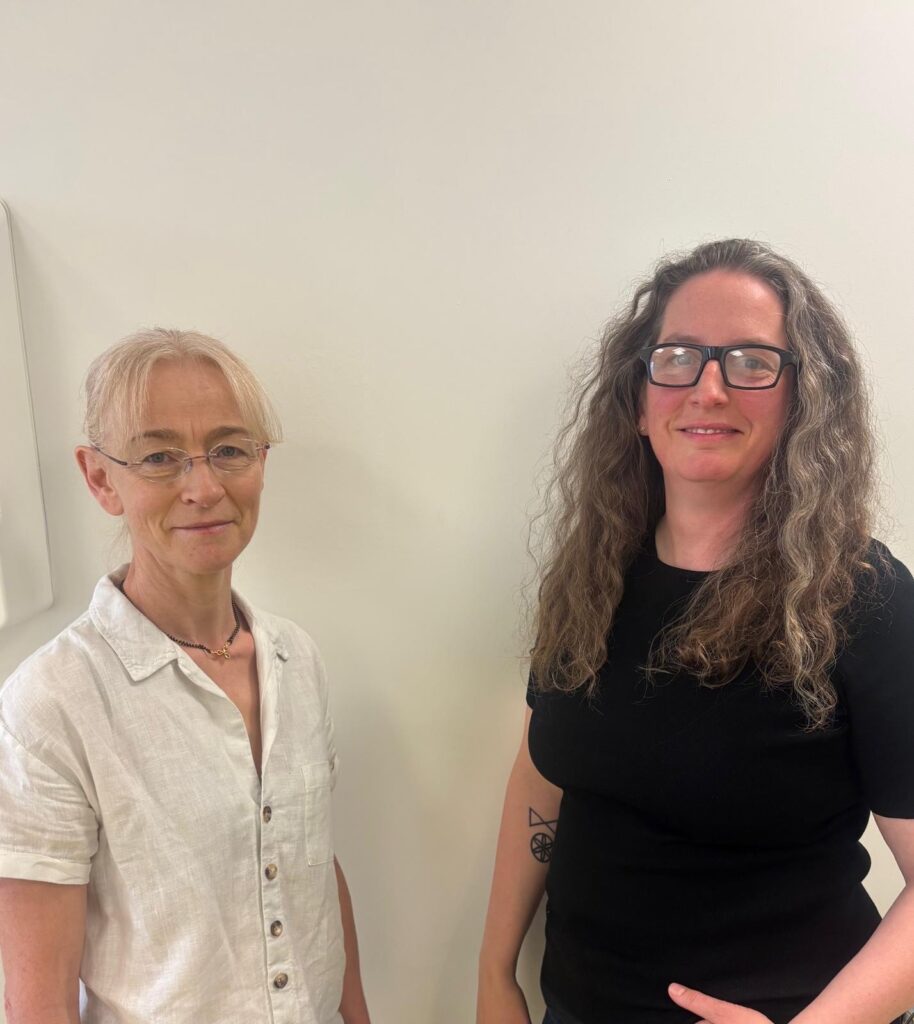
The findings were published as a clinical letter co-authored by Ms Harriet Corbett, Consultant Paediatric Urologist at Alder Hey, and Professor Rachel Isba, Consultant in Paediatric Public Health Medicine with a Special Interest in Addictions at Alder Hey, in the Archives of Disease in Childhood, a British Medical Journal publication.
Archives of Disease in ChildhoodThe multi-disciplinary clinic for under-16s, believed to be the first of its kind in the UK when it opened back in 2025, was established in response to a rise in children and young people presenting with ketamine-induced uropathy, commonly known as ‘ketamine bladder’.
Over the past year, the clinical team at Alder Hey has analysed anonymised information about young people attending the service, looking beyond their physical symptoms.
The paper reports on the first 60 patients and has identified a number of important patterns among young people presenting to the service, including:
• More than 70% of children and young people came from England’s most socio-economically deprived communities, highlighting significant health inequalities.
• Many patients had experienced adverse childhood experiences (72%), were care-experienced (20%) or had ADHD and/or autism (27%), reinforcing the need for trauma-informed, accessible services.
• The average age at referral was just 14.5 years, with ketamine use often starting around age 13. Half of patients also reported using other substances.
• Twelve patients had already been discharged after stopping ketamine and seeing improvements in their symptoms, showing the value of early intervention.
The team says the findings highlight the importance of looking at ketamine-related bladder damage as more than a urological problem.
Ms Harriet Corbett, Consultant Paediatric Urologist at Alder Hey, said:
“Ketamine induced uropathy, is a very serious bladder problem associated with chronic ketamine use. It can lead to significant pain and long-term health consequences. Over the past few years, we have seen an escalating number of children and young people referred to Alder Hey with bladder symptoms caused by non-prescribed ketamine use.
“What this first year of analysis has highlighted is the importance of understanding the young person behind the diagnosis. By looking at factors such as age, where they live, their background and their life-experiences, we can start to build a much clearer picture of who is being affected and how we can best support them.
“The damage caused by ketamine can be devastating. It can affect the bladder wall, causing ulceration and fibrosis, and the effects can be irreversible. Young people can experience chronic bladder pain and incontinence and, in the most severe cases, may go on to require major surgery or dialysis.
“This problem is preventable. Understanding more about the young people who are presenting to us is an important step towards preventing further harm.”
Young people attending the clinic receive care from a specialist urology team, who manage the physical effects ketamine has had on the urinary system. They also receive support from a Consultant in Paediatric Public Health Medicine, with other relevant community services involved in their ongoing care where appropriate.
Professor Rachel Isba, Consultant in Paediatric Public Health Medicine with a Special Interest in Addictions at Alder Hey and Professor Emerita of Children and Young People’s Health at Lancaster University’s Medical School, said:
“One of the most important things about this work is that we are trying to understand the wider picture. Ketamine use does not happen in isolation, and our analysis is helping us explore the different factors that may be associated with young people developing serious health problems.
“We have looked at characteristics including age, geography and experiences such as childhood trauma. These findings give us a much better understanding of the young people coming through the clinic and raise important questions about how we can intervene earlier and develop the right services.
“Our approach is non-judgemental. We want to give young people a safe space to talk about what is happening in their lives and work with them to develop a plan to stop using ketamine and prevent further damage.
“The findings from this first year of the clinic will help us consider what more can be done, both within healthcare and in the community, to identify young people at risk and provide support before irreversible damage occurs.”
The analysis comes against a backdrop of increasing concern about ketamine use among children and young people.
An anonymised 2023 survey of more than 13,000 secondary school children from 185 schools across England reported that 11% of 15-year-olds had been offered ketamine at some point. The same study, conducted for NHS England, suggested that ketamine use among schoolchildren had more than doubled over the previous decade, from 0.4% in 2013 to 0.9% in 2023.
Alder Hey says its experience of treating young people with ketamine-related bladder problems underlines the need for greater awareness of the potentially serious and irreversible consequences of ketamine use and is part of a bigger picture of substance use (including nicotine) in this age group.
The Trust is continuing to analyse data from the specialist service, with the aim of building the evidence base around ketamine-related harm in children and young people and identifying opportunities for earlier intervention and prevention.
To read the clinical letter go to: https://adc.bmj.com/content/early/2026/09/15/archdischild-2026-330727