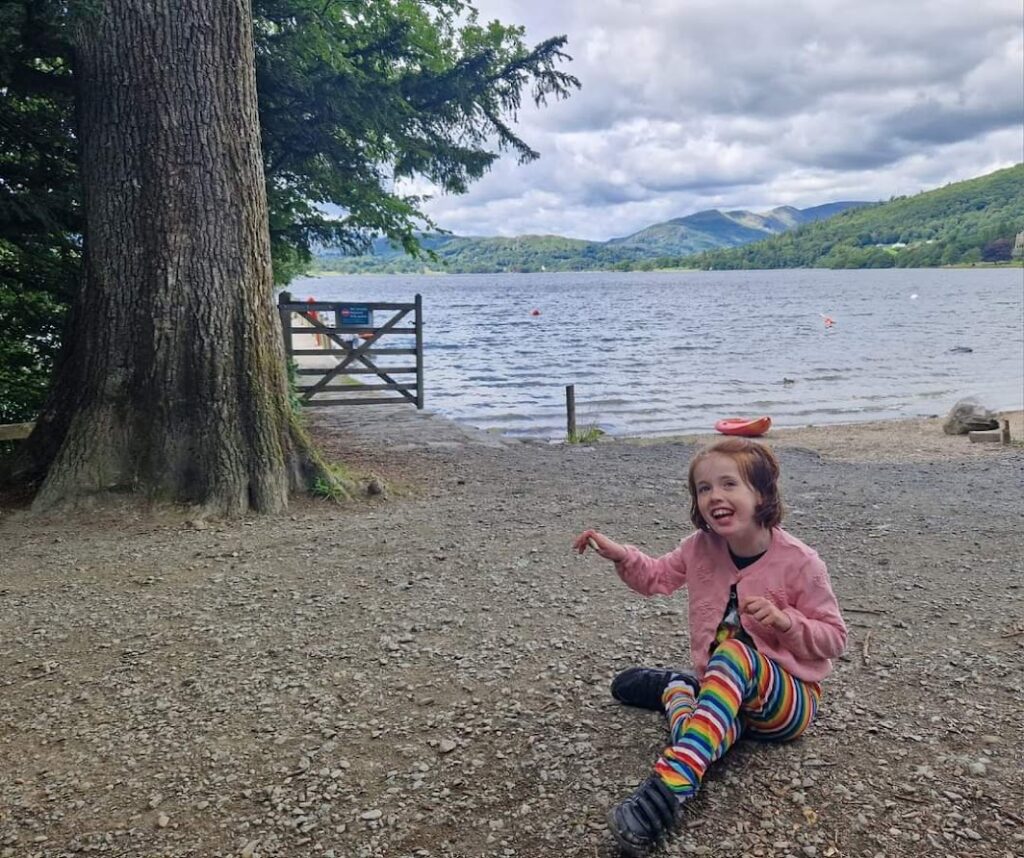
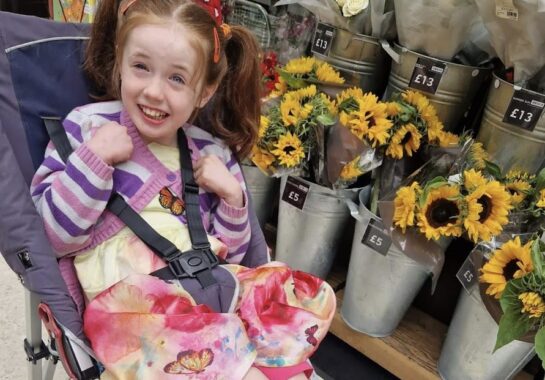
For Epilepsy Awareness Day, Marie shares the journey of her daughter Amelia, who lives with complex epilepsy caused by a rare genetic condition.
“When Amelia was four years old, seizures suddenly became part of our everyday life.
Amelia is now 10 years old. After her first non-febrile seizures she was quickly diagnosed with a generalised seizure disorder, and further genetic testing later confirmed KCNB1-related developmental epileptic encephalopathy, a rare genetic condition that affects brain development and causes complex epilepsy. Only a small number of children worldwide are known to have this condition.
Over the years, Amelia has experienced multiple seizure types including tonic, tonic-clonic, focal, absence and myoclonic seizures. Finding the right treatment has been a long journey. She has tried many anti-epileptic medications, but both the seizures and the medications themselves have had a significant impact. During this time, Amelia experienced considerable regression and lost skills such as clapping, waving and using cutlery.
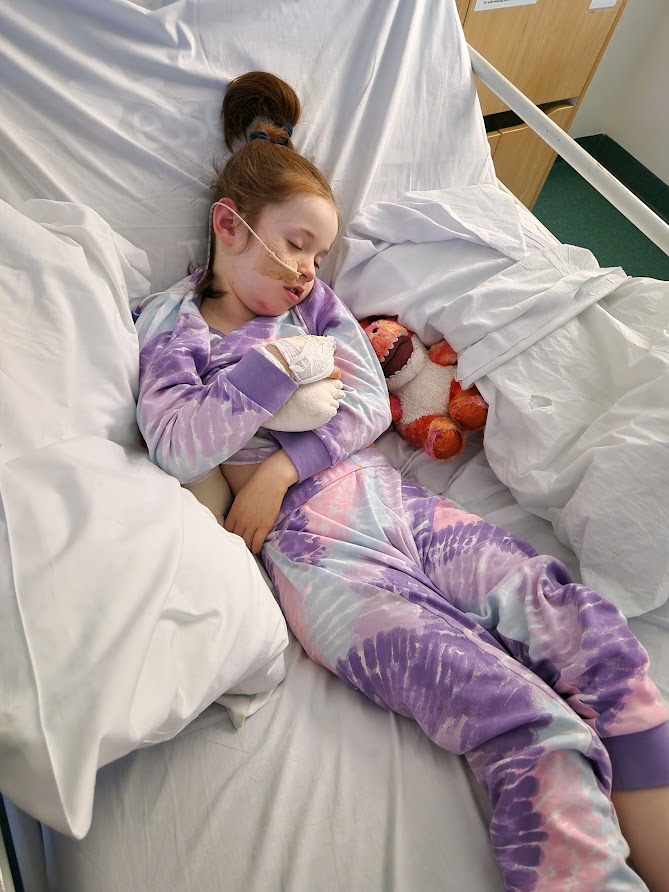
When medications alone were not enough, Amelia started the ketogenic diet, which helped reduce her seizure burden. We did not get the dream outcome of seizure freedom, but it did make a meaningful difference.
Later, Amelia had a Vagus Nerve Stimulator (VNS) implanted. This again reduced the number of seizures she was experiencing, but did not stop them completely.
After two years, Amelia came off the ketogenic diet. It had helped to a point and we were able to maintain some of the benefits it had brought. As Amelia entered puberty, we began to see a clear pattern emerging, with periods of increased seizures followed by weeks with none. Puberty blockers were introduced in an attempt to help stabilise this cycle, although seizures still break through.
Currently Amelia takes four anti-epileptic medications, which bring their own challenges, including fatigue, unsteadiness on her feet, excessive sleep and cognitive side effects. Our teams at Alder Hey Children’s Hospital and Whiston Hospital continue to work closely together to try to find the right balance between seizure control and Amelia’s quality of life.
Epilepsy impacts every minute of every day for our family. Amelia needs an adult with her at all times, including through the night, as we must be ready to use her VNS magnet during seizures, and she remains at high risk of SUDEP.
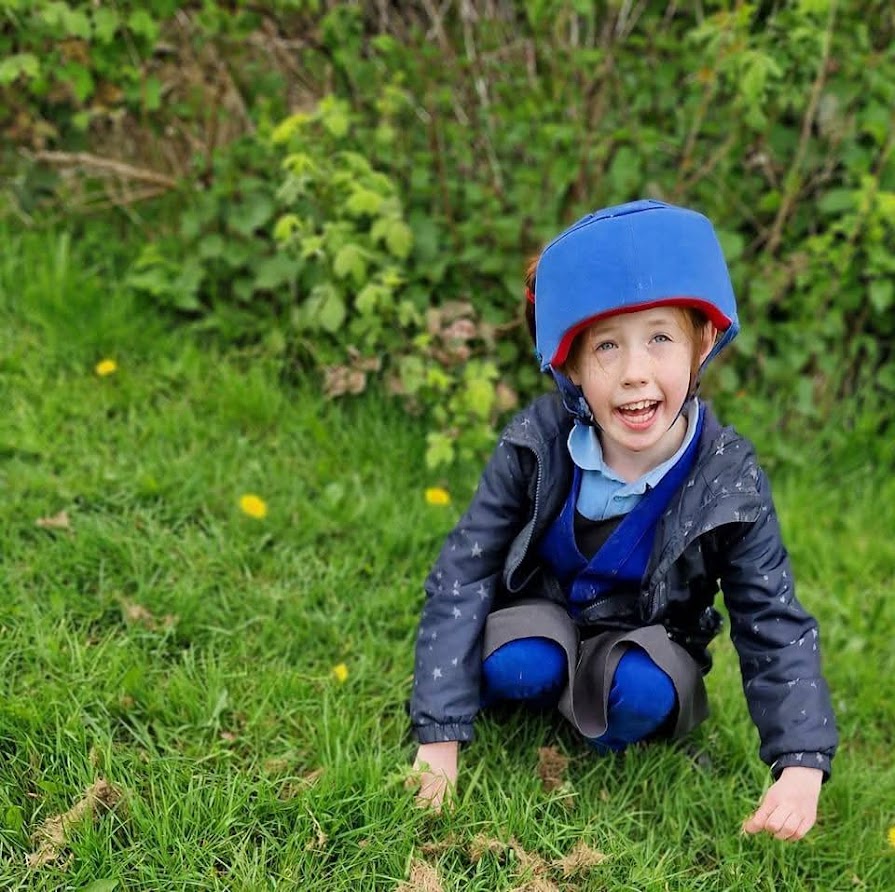
Despite everything epilepsy has thrown at Amelia, she continues to fight in her own quiet way.
We still face many uncertain moments and an unknown future. Drug-resistant epilepsy is complex and, for many families, it is a lifelong battle.
During the weeks when her seizures settle, she is full of life and determination. And after six years, she is now learning to use cutlery again — slowly reclaiming a skill epilepsy once took away. She is also beginning to find her voice again, discovering new ways to express herself and connect with the world around her.
After everything epilepsy has taken from Amelia, these moments matter more than words can describe.
Progress with complex epilepsy is often slow, fragile and hard-won. It can take years of therapies, support and relentless work to gain skills — yet those same skills can sometimes be lost overnight.
That is the reality many families live with.
Epilepsy remains a constant presence in Amelia’s life, and in ours, requiring vigilance, care and support every single day.
For Epilepsy Awareness Day, we are sharing Amelia’s story to help people better understand the realities of complex epilepsy and the importance of specialist care, continued research and greater awareness. Because behind every diagnosis like ours is a child like Amelia, working hard every day to have a better quality of life.”