- NHS reveals one in four blood donors can help critically ill babies
- 200,000 donors hold the key to saving the tiniest lives, says NHS as it calls for more donors to come forward
- There is a particular need for more O negative, B negative and Ro donors. Book an appointment today at www.blood.co.uk
Around 200,000 of England’s donors have the blood needed by poorly newborns, the NHS has revealed as it urges more people to give blood to help seriously ill children and adults.
One in four of the nation’s 800,000 blood donors had their most recent donation labelled with a blue ‘NEO’ tag which means it is suitable for transfusion to babies in neonatal units.
Newborns can only receive blood that is lacking the cytomegalovirus (CMV), a common and usually harmless virus that most adults are exposed to during their lives and stays in the body. It can however be fatal to infants with underdeveloped immune systems.
Every week hospitals in England order around 500 units of red cells suitable for neonatal patients, which is around 0.5 percent of overall red cell demand. Red cells is the blood component most widely used to treat newborns.
Alder Hey Children’s Hospital in Liverpool, London’s Great Ormond Street Hospital and Manchester University NHS Foundation Trust had the highest demand for blood for newborns in 2025. One in five units was issued to one of these hospitals.
NHS Blood and Transplant has revealed the data to highlight how donated blood is a lifeline for even the tiniest patients, as it calls for more people to become regular donors. One donation can help up to six babies or three adults
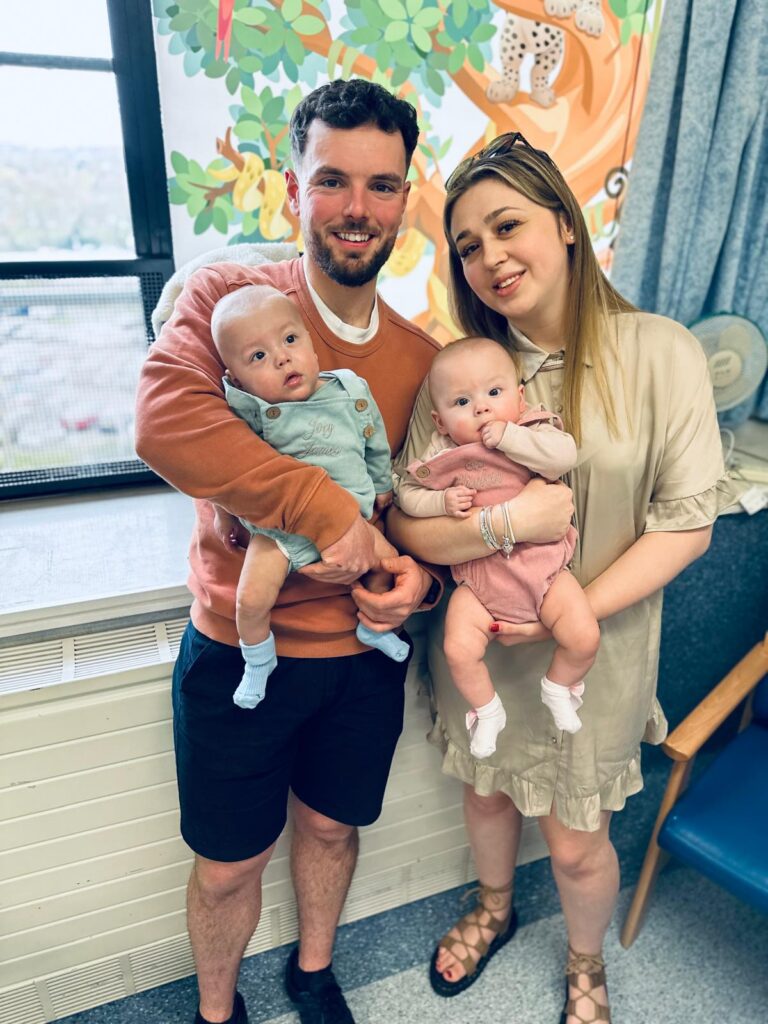
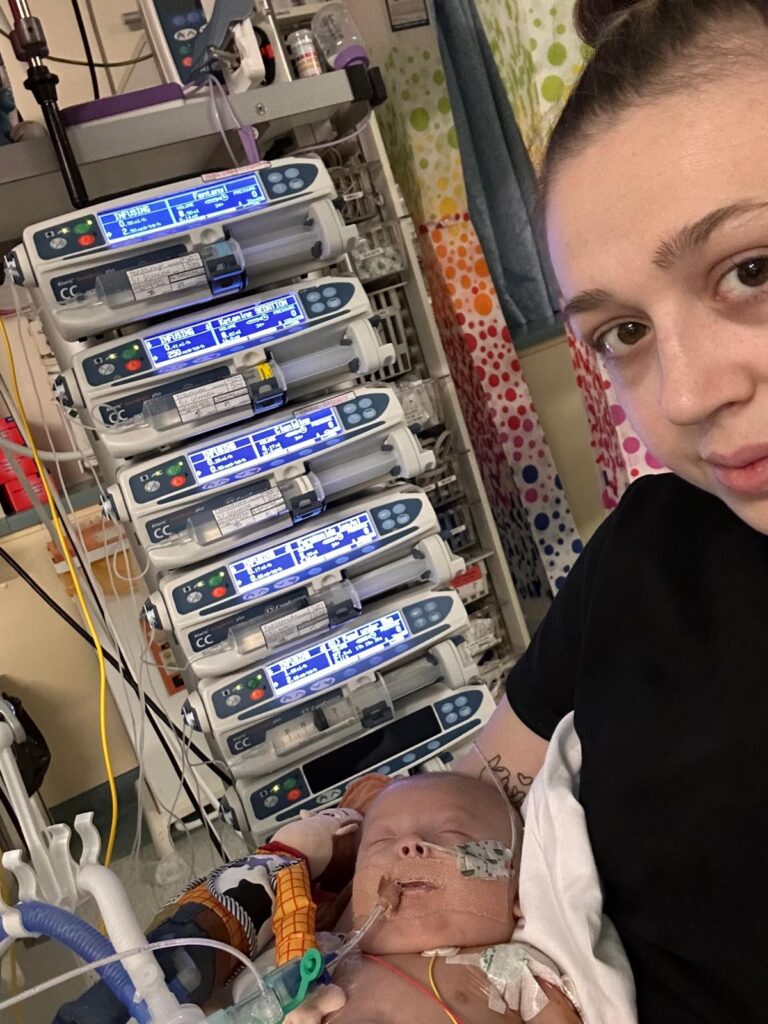
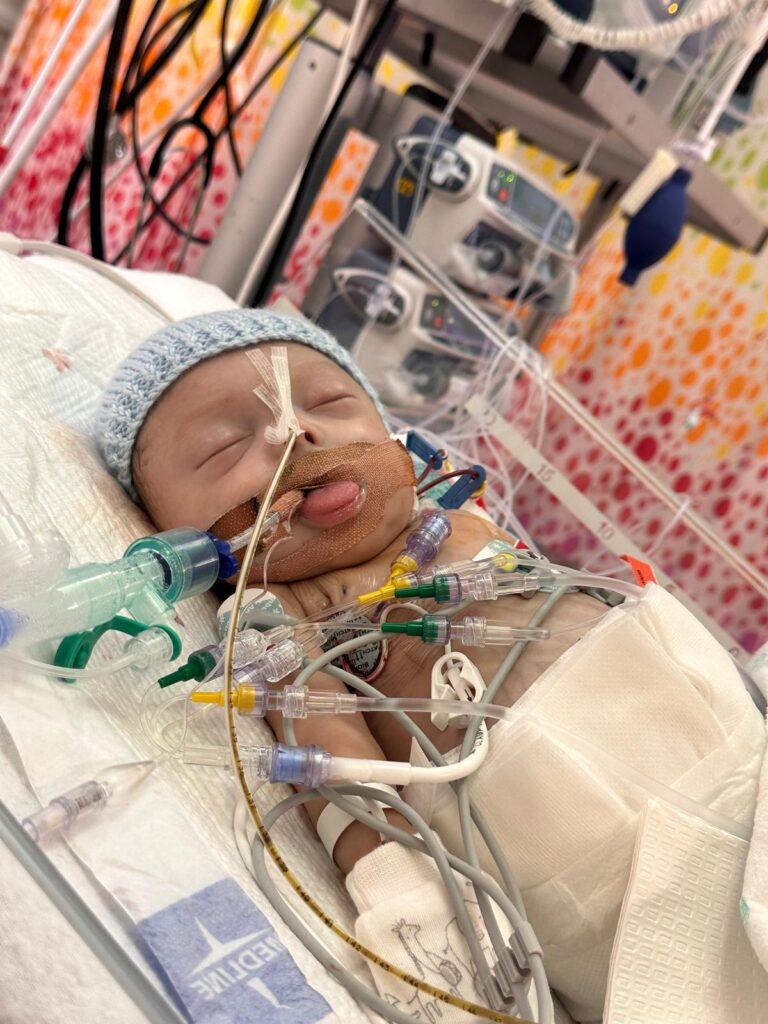
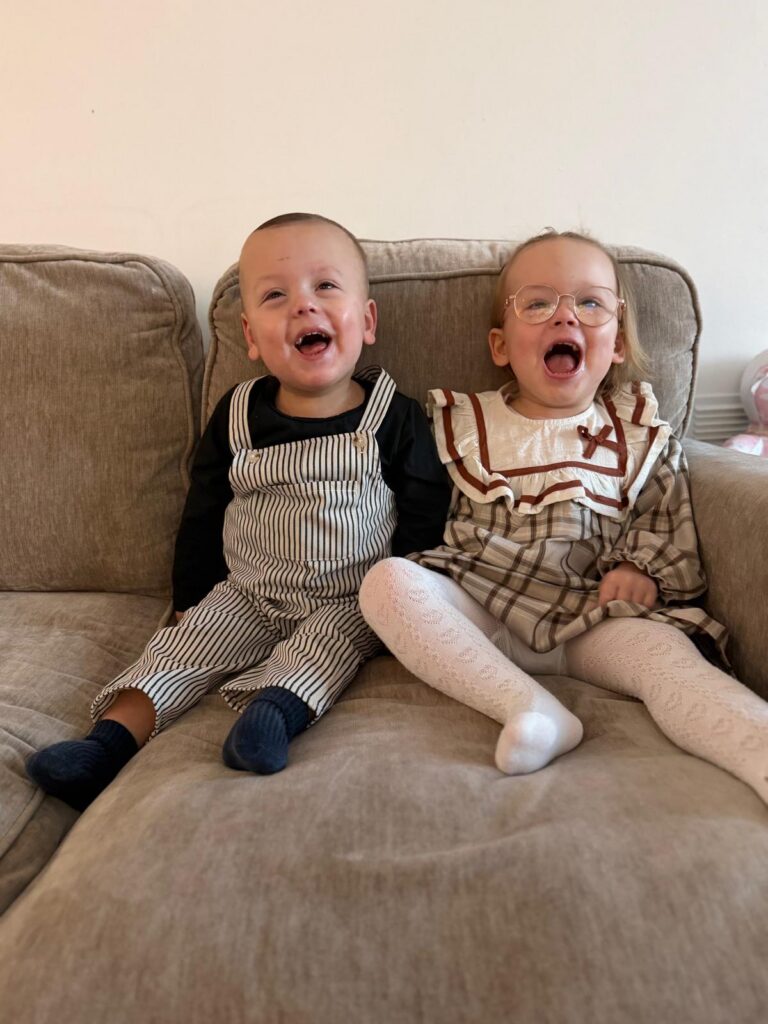
Meghan Thacker’s two-year-old son Joey owes his life to neonatal blood products. Joey and his twin Eva were admitted to neonatal intensive care after being born at 27 weeks. Following emergency surgery for a bowel perforation at two days old, Joey’s body went into septic shock and he needed an emergency transfusion to survive.
Joey remained at Nottingham’s Queen’s Medical Centre for eight months where more blood transfusions gave him the strength to undergo further surgeries. He also needed emergency transfusions to stabilise dangerously low blood pressure.
Meghan, 26, who lives in Lincoln with her partner Cobie, said: “Every time Joey went into surgery the doctors weren’t sure if he was going to make it. It was life or death, basically.
“But it wasn’t just the doctors who saved his life, it was blood donors too. Joey would not be here if the hospital did not have the blood he needed in that moment.”
As a result of his early complications and surgeries Joey has cerebral palsy and short bowel syndrome. Joey’s progress has exceeded doctors’ expectations and he is a bright and inquisitive little boy who loves football. Joey’s twin Eva also received a small number of blood transfusions due to low haemoglobin, which is common in premature babies.
Meghan, who works in clinical coding at Lincoln County Hospital, added: “I’m a blood donor and I love receiving the text message after I have donated. I got one saying my blood had gone to a children’s hospital, which felt like a full circle moment.”
Blood donor Katie Parker, 43, from Birmingham, recently found out that her donations were suitable for transfusing newborn babies. The news was poignant for Katie as blood transfusions saved the life of her stepsister Kate after she suffered catastrophic blood loss during the birth of her daughter Mia, now two.
Mum of two Katie, who works in logistics, said: “I had no idea I had NEO blood until the donor carer at my last donation told me my blood was suitable for babies and showed me the blue tag.
“It made me think of Kate and I texted her straight away to tell her. It was quite an emotional moment really as it felt so close to Kate’s experience.
“I started giving blood just because it is a good cause. Then Kate needed blood and it brought it home how it saves lives. I’d tell anyone who is considering donating to just give it a go. It’s so easy, and you never know who you will help.”
Right now stocks of most blood types are good but there is a particular need for more B negative, O negative, Ro and Black heritage donors in the lead up to Easter and the May bank holiday period.
During holidays, stock levels can drop as people spend time with family or have time away. The NHS teams will be collecting blood on every day, including over the entire Easter weekend and each of the bank holidays.
Gerry Gogarty, Director of Blood Supply for NHS Blood and Transplant, said: “Every donor can be proud that their generous act will save or improve the life of a seriously ill child or adult.
“And we know our donors feel especially touched if they see a blue ‘NEO’ tag on their donation bag, knowing their blood can help the most vulnerable patients.
“The NHS needs new donors to maintain the supply of lifesaving blood to patients of all ages. Please register today and book an appointment. Giving blood is quick and easy, and you will save a life.”
A donation is tagged ‘NEO’ if there was no evidence of CMV when the donor’s blood was last tested. If their donation is needed for a neonatal patient it will be tested to make sure their CMV status has not changed and undergo other specialist testing.
Babies in neonatal care need transfusions to treat severe anaemia and infections, replace blood lost from blood sampling or surgery, and manage conditions like extreme jaundice.
CMV negative blood products are also needed by pregnant women and for lifesaving transfusions for unborn babies in the womb.
The NHS always needs new donors to replace those who stop donating every year. There remains an ongoing need for more donors of Black heritage to help patients with sickle cell who need ethnically matched blood.
Register as a blood donor and book your first appointment via the GiveBloodNHS app or at www.blood.co.uk If you can’t find an appointment straight away please book for further in the future.