
Welcome

This is the outside of our building, Willow Mere. There is free parking onsite for visitors.
Through our doors
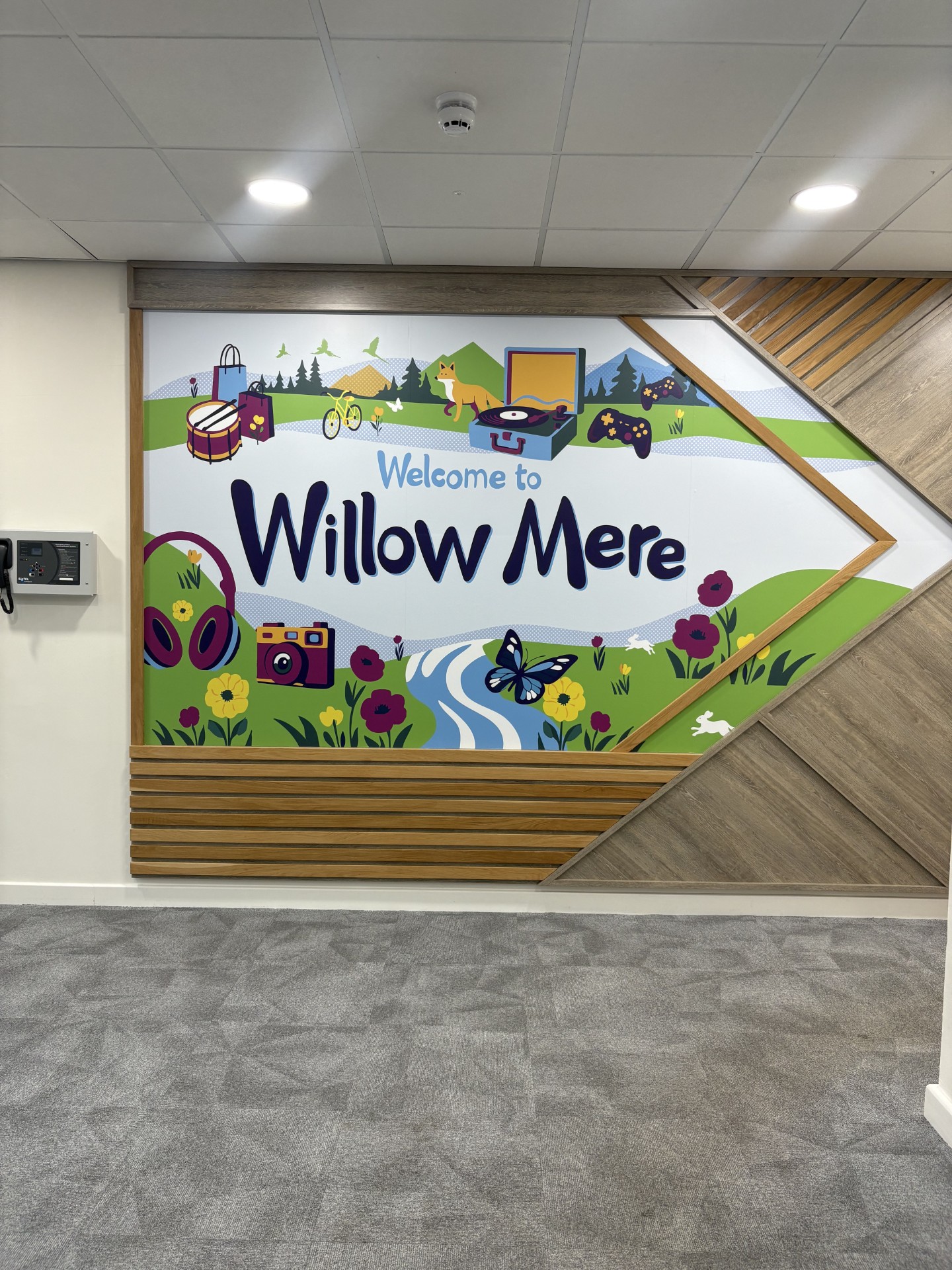
You will see this sign as you come in, and an arrow to follow around the corner to the waiting room.
Reception
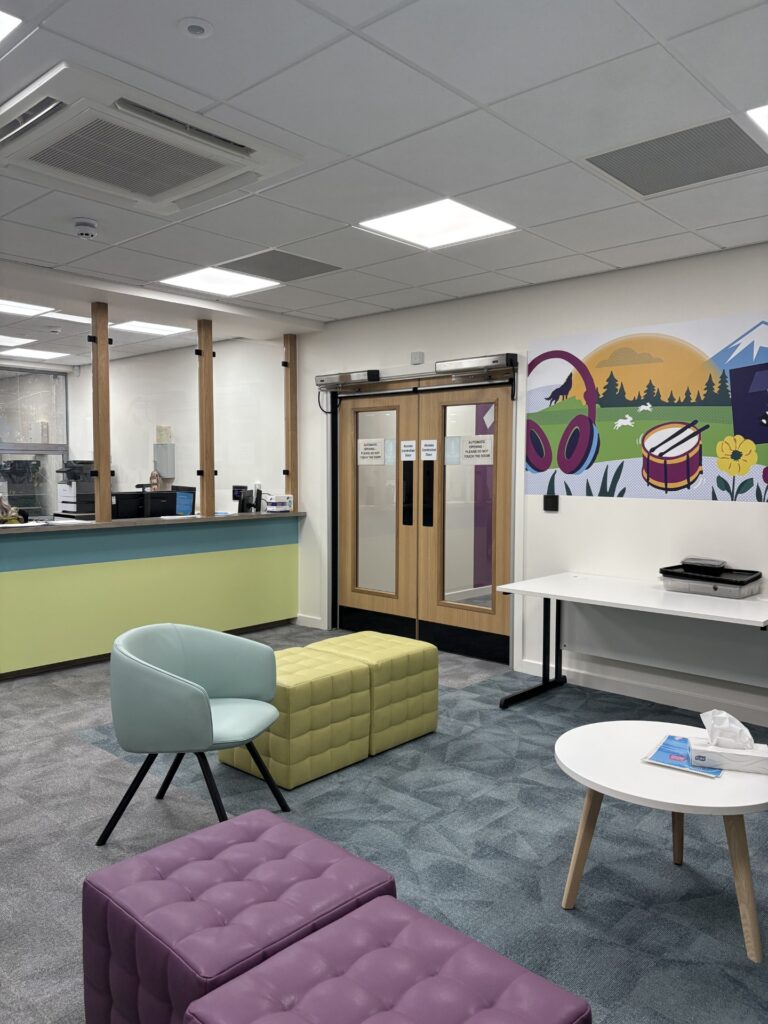
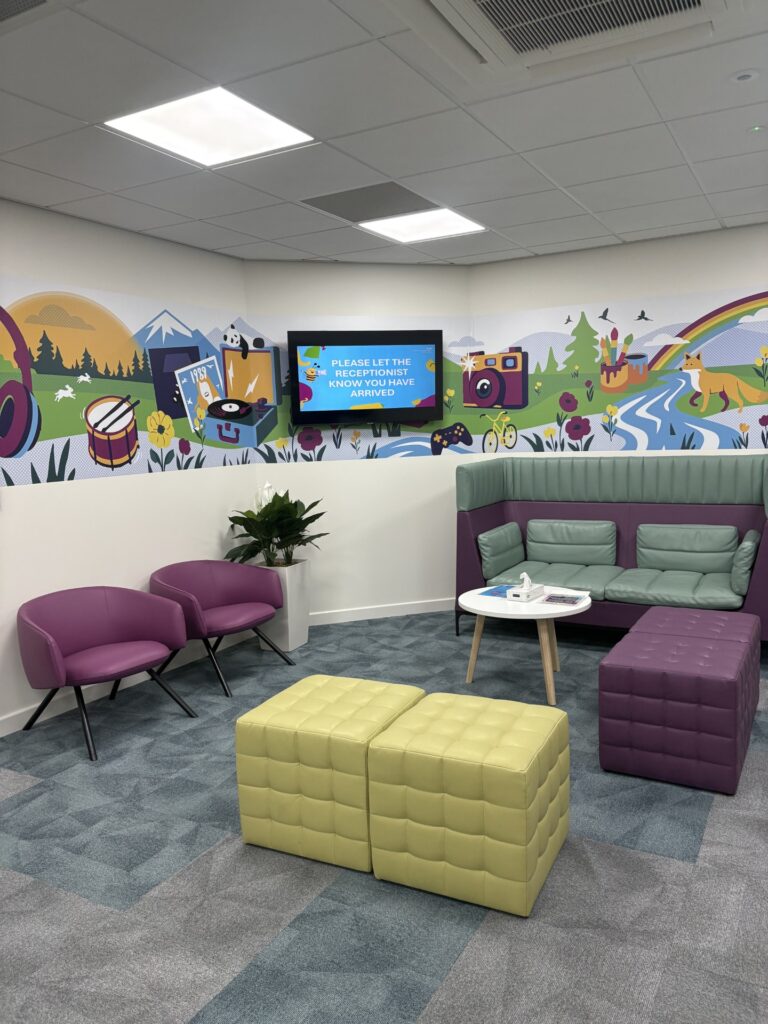
You will find our receptionist waiting to check you in to appointments at the desk.
Whilst Waiting
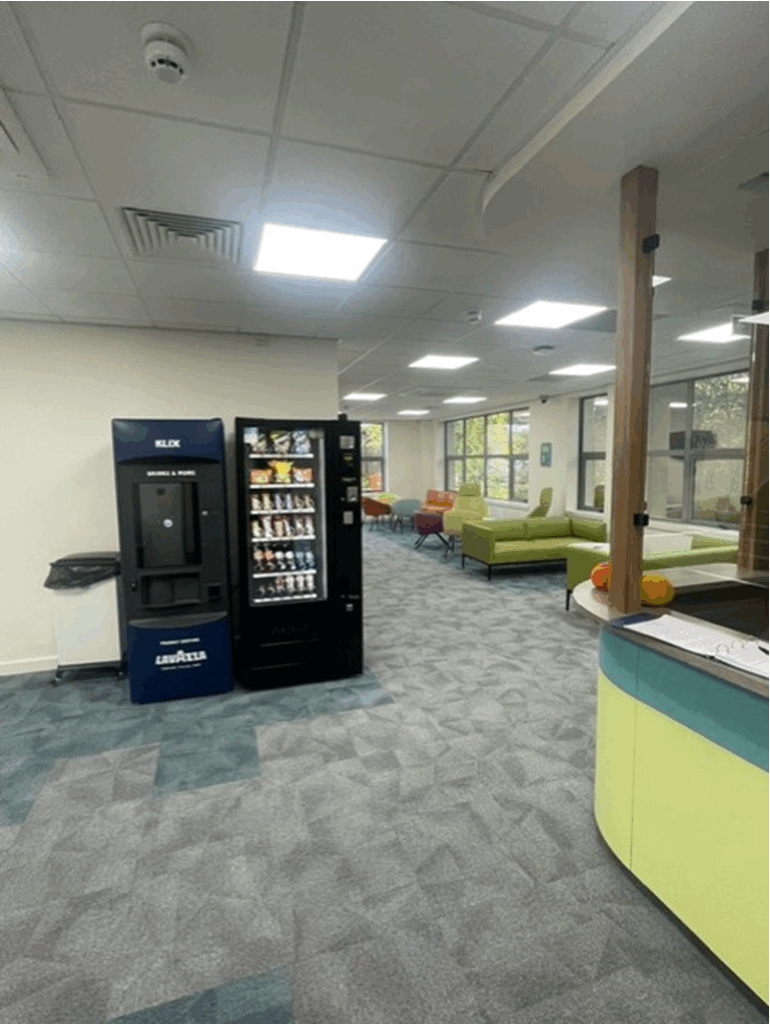
You can sit wherever you feel comfortable in the waiting room. We also have gender neutral toilets available in our waiting room.
When you’re ready
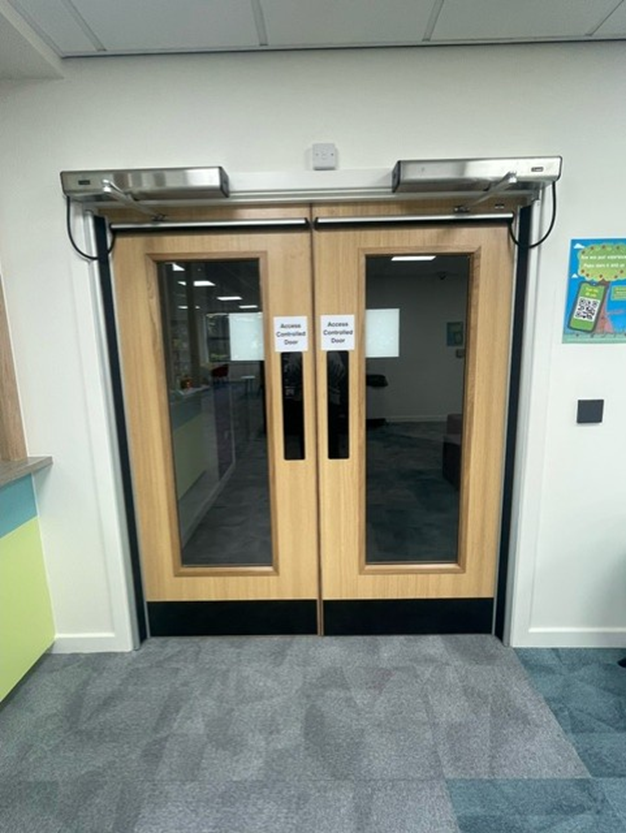
Your appointment is through these doors, a member of the team will come and get you.
Appointment Room
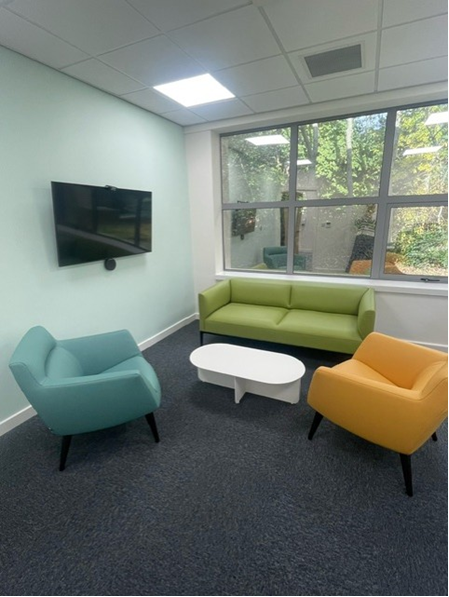
This is what the appointment rooms look like. Rooms can be temperature controlled to your preference.

This is another example of what the appointment rooms look like. We have resources in the cupboards with pens, paper, sensory toys and whiteboards.
Professionals you may meet at Willow Mere
Child and Adolescent Psychoanalytic Psychotherapy
Child and Adolescent Psychoanalytic Psychotherapy is an evidence-based treatment for infants, children, young people and their families who may be experiencing complex emotional and psychological difficulties.
The focus of child and adolescent psychoanalytic psychotherapy is to help understand what is being communicated about a young person’s inner world through their behaviour, play or words. The therapeutic relationship is developed through talking or play, depending on age.
The aim is for the child or young person to have a better understanding of themselves, their relationships and behaviour, in order to help them change as they learn, grow and develop.
Paediatricians
Paediatricians are the doctors who take care of babies, children and young adults, making sure they are healthy and growing properly.
They have special training and knowledge about how kids’ bodies work, how they develop and grow, and what can make them sick.
SALT (Speech and Language Therapist)
The speech and language therapy team here can support your speech language and communication skills, to make sure that you feel comfortable, confident and able to understand others and to explain your own thoughts and ideas.
We can work with people around you, to help them know how best to communicate with you.
Supporting your speech language and communication skills can help you in achieving your best hopes.
Clinical Psychologist
A Clinical Psychologist is trained to understand how people think, feel, and behave. We are trained in working with people across the lifespan, so may work with children & young people, parents, or families.
Clinical Psychologists primarily use a tool called formulation, which is a joint approach with you and your psychologist to understand you and your life experiences. Formulation helps to understand how your historical and current experiences impact on how you think, feel, and behave, and how you relate to others. For example, we might consider the impact of a young person’s context (e.g., family, school, community) can make it easier or harder to talk about or express your gender identity. Formulation also considers the influence of wider societal contexts, such as the impact of stigma and discrimination.
We may use a variety of therapeutic approaches to work with you to reduce distress or manage strong feelings you’re experiencing. Clinical Psychologists may also be involved in assessments which help to understand your strengths and how people can best support you. These assessments include cognitive assessments and autism assessments.
Mental Health Nurse
A mental health nurse supports individuals with mental health challenges through assessment, treatment, and ongoing care – they are often trained in additional therapeutic modalities. They work collaboratively with young people, families, and other professionals to promote recovery, stability, and overall well-being.
Youth Worker/Engagement Practitioner
A Youth Worker or Engagement Practitioner is someone who works in the gender service to support young people and families. They might meet with you alongside another clinician (like a psychologist, social worker or doctor) to help you talk about how you’re feeling, your gender identity and anything else that’s important to you. They’re there to listen, support you and make sure your voice is heard.
They also help make sure that the service is safe, welcoming and works well for everyone. If you’re having a hard time at school, home, or with other services, they can help you figure out what support is out there and how to access it.
You might also see them running groups, creative projects or helping young people get involved in improving the service.
Their main job is to be someone you can trust – who will listen without judgment and work with you to feel safe, respected and understood.
Social Worker
A social worker’s role is to listen to and support individuals, families, and communities, helping them find solutions to challenges and promoting their human rights and wellbeing. Social workers also protect people from harm when necessary.
You might work with social workers who work in local authorities and councils, in health care social workers have the same goal in wanting to ensure you are safe from harm, and thinking about your rights to care and support.
However, they might also think more around your mental or physical health and wellbeing as well. Social Workers at CYPGS can also have training in different types of therapeutic models and thinking about different ways to help.
Psychiatry
Psychiatrists are doctors who have specialist training in mental health. We then further specialise in care of children and young people. We have expertise in complex mental health and risk assessment.
We are experts in complex neurodevelopmental assessment for conditions such as ADHD, Autism and Learning difficulties. We are able to prescribe medications to treat mental health difficulties where other treatments such as talking therapies have not been helpful.
We have experience in core CAMHS and also within paediatric hospital settings. We have expertise working with looked after children, children with complex learning needs and youth offending. We have experience in understanding capacity, consent and legal frameworks around provision of care.
Occupational Therapist
An Occupational Therapist (OT) maximises your child’s performance and helps young people gain independence in everyday tasks at home, school, during play, and leisure activities. We are health professionals who are experts in child development and promoting independence in functional activity.
Dramatherapist
Dramatherapy is a form of Psychotherapy. Dramatherapists are both clinicians and artists that draw on their knowledge of theatre and therapy to use as a medium for psychological therapy that may include drama, story-making, music, movement, and art.
Dramatherapy can be used to help communicate and understand ideas when words are not enough. It can also help us link to a deeper understanding while utilising the safety of metaphor and creativity.
Any questions?
If you have any questions about your visit to Willow Mere (North West Hub), please email [email protected] for more information.